Antoni Gaudí and the Architecture of Immersion
What hospitality designers can still learn from a master of atmosphere
There are architects who design buildings - and then there is Antoni Gaudí, who designed experiences before the word experience became currency.
Long before hospitality adopted the language of immersion, Gaudí was choreographing emotion through space: bending structure into narrative, dissolving boundaries between architecture, craft, and nature, and allowing light itself to become a primary material. His work was never static. It moved, it breathed, it revealed itself in sequences. More akin to a guest journey than a building.
For those of us shaping hotels and resorts today, his legacy is not aesthetic. It is operational, psychological, and deeply experiential.
1. Arrival as Awakening: The Threshold Moment
Gaudí understood something many hotels still miss:
the experience begins before you enter.
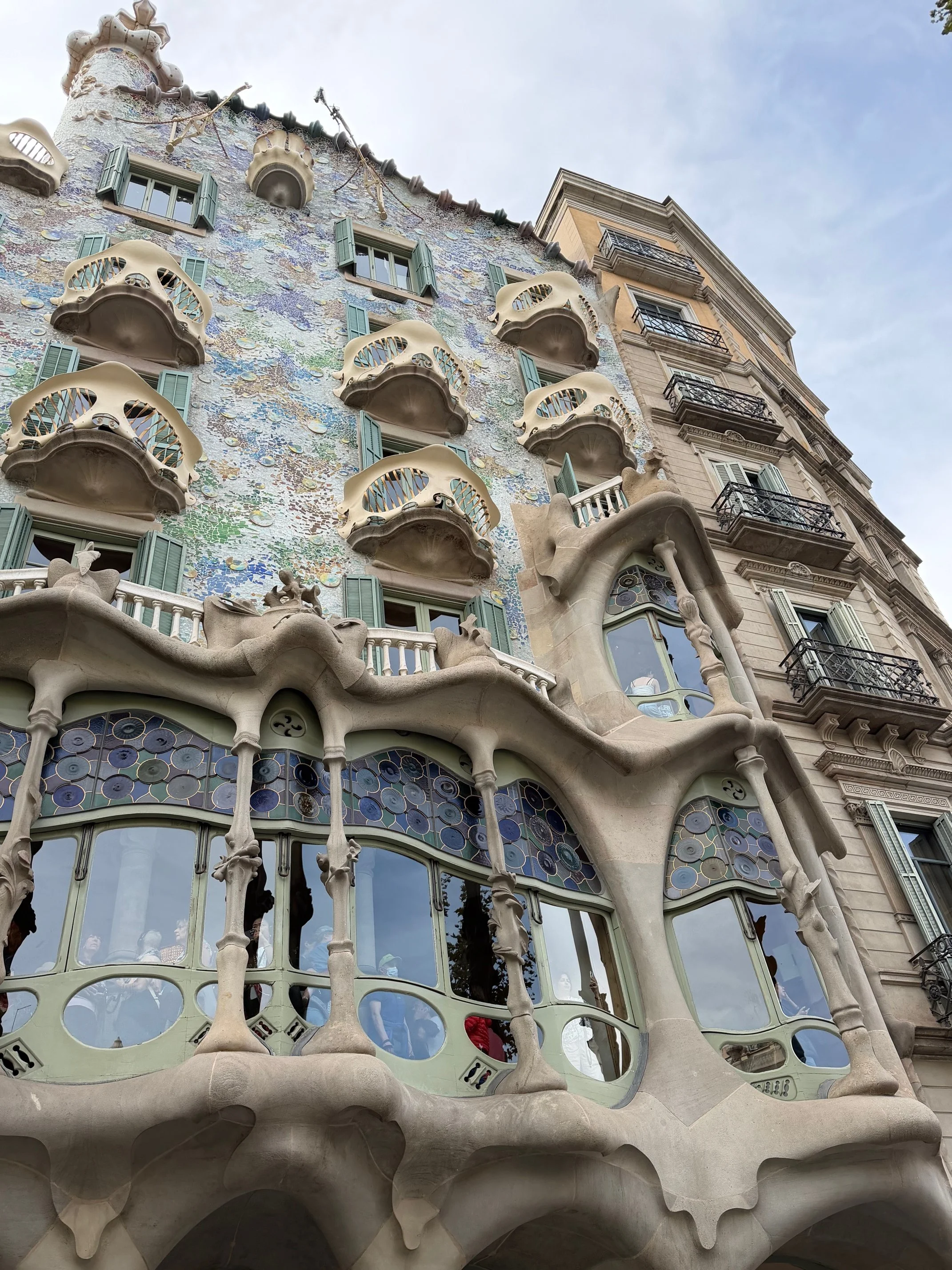
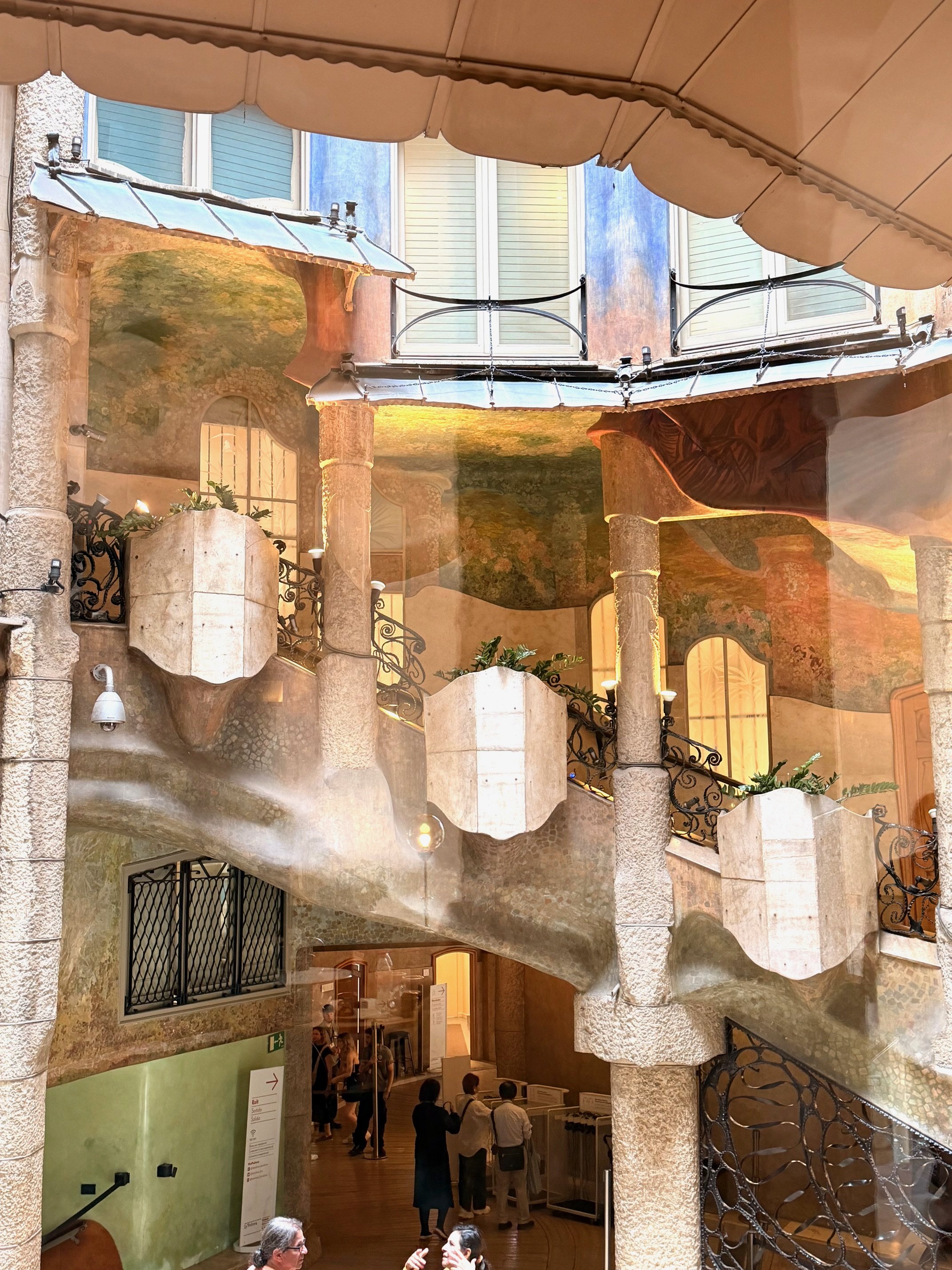
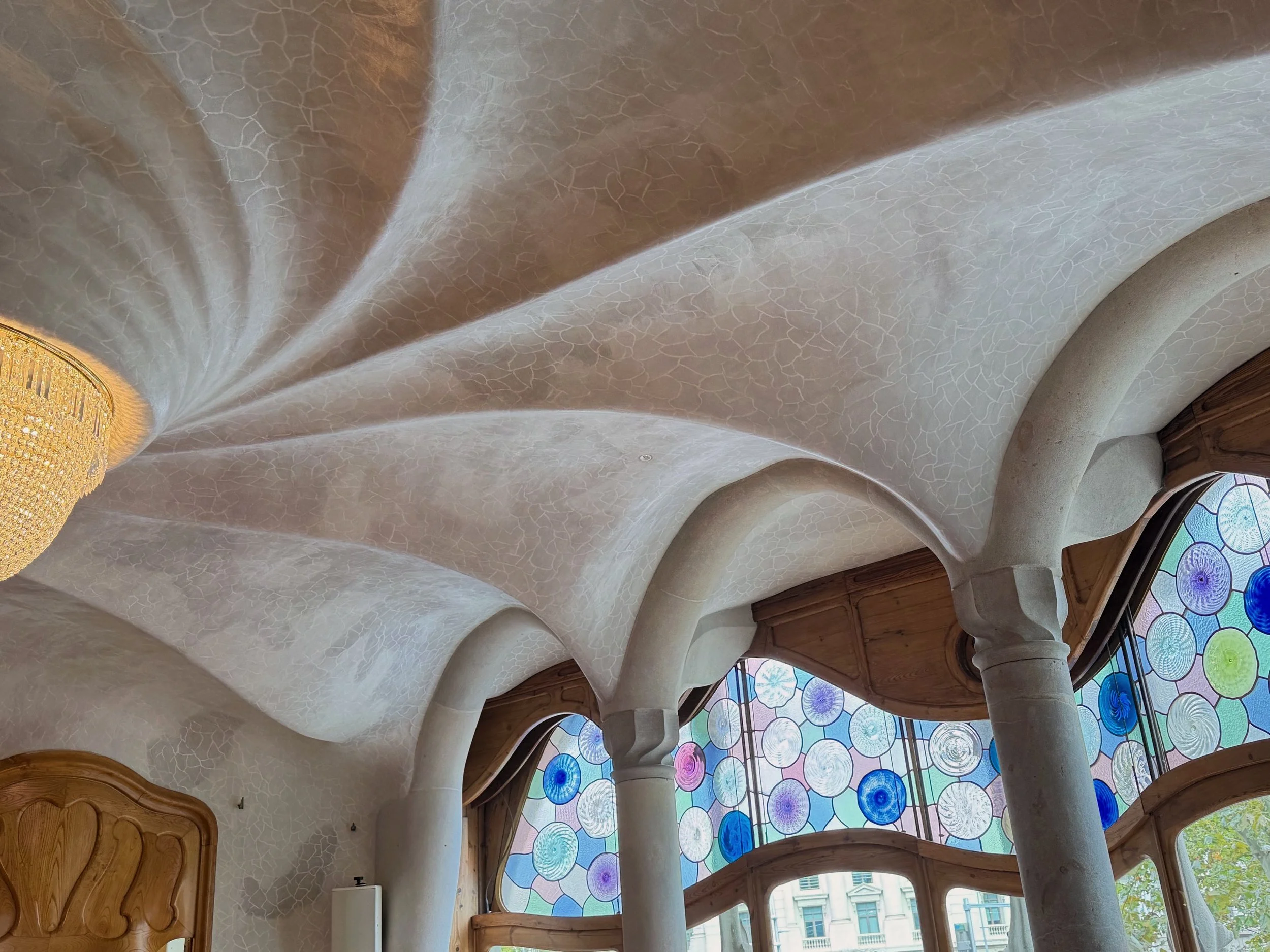
At Casa Battlo’, the ascent of the stair is not circulation, it is initiation. The handrail curves like a living spine, the ceiling compresses then releases, and the guest becomes aware, almost subconsciously, that they are crossing into another world.
In hospitality terms, this is the first exhale.
The moment a guest sheds the external world.
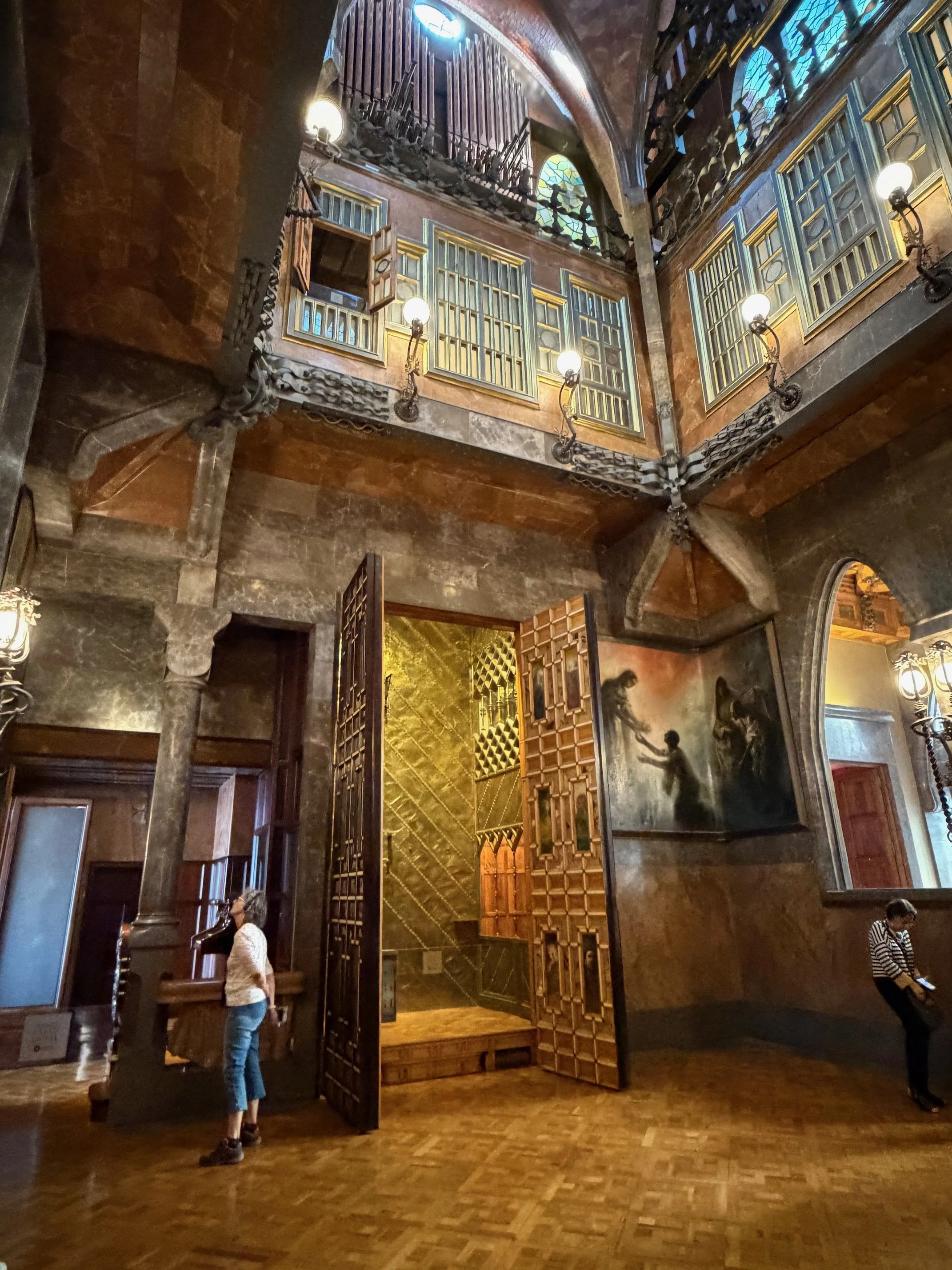
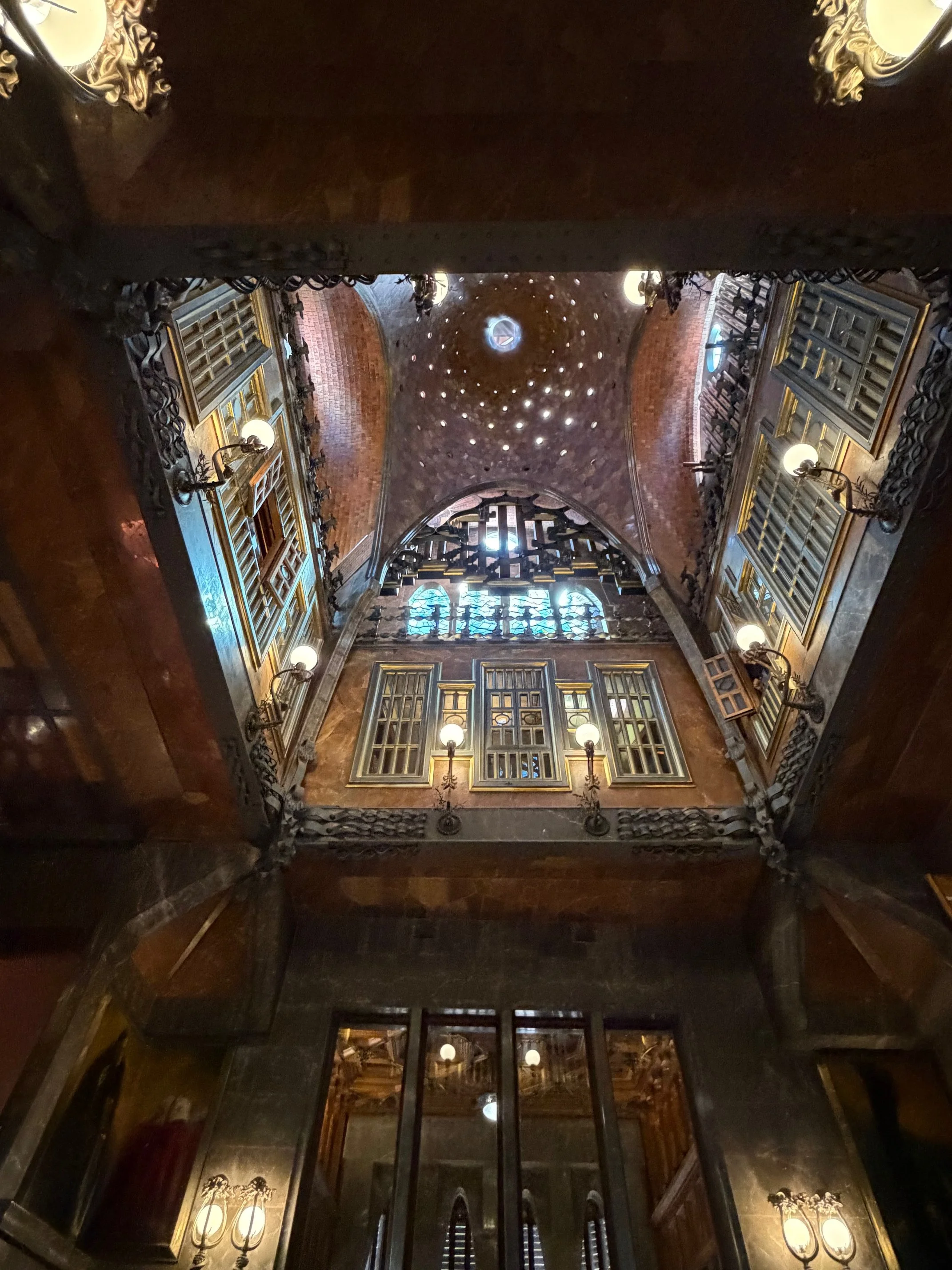
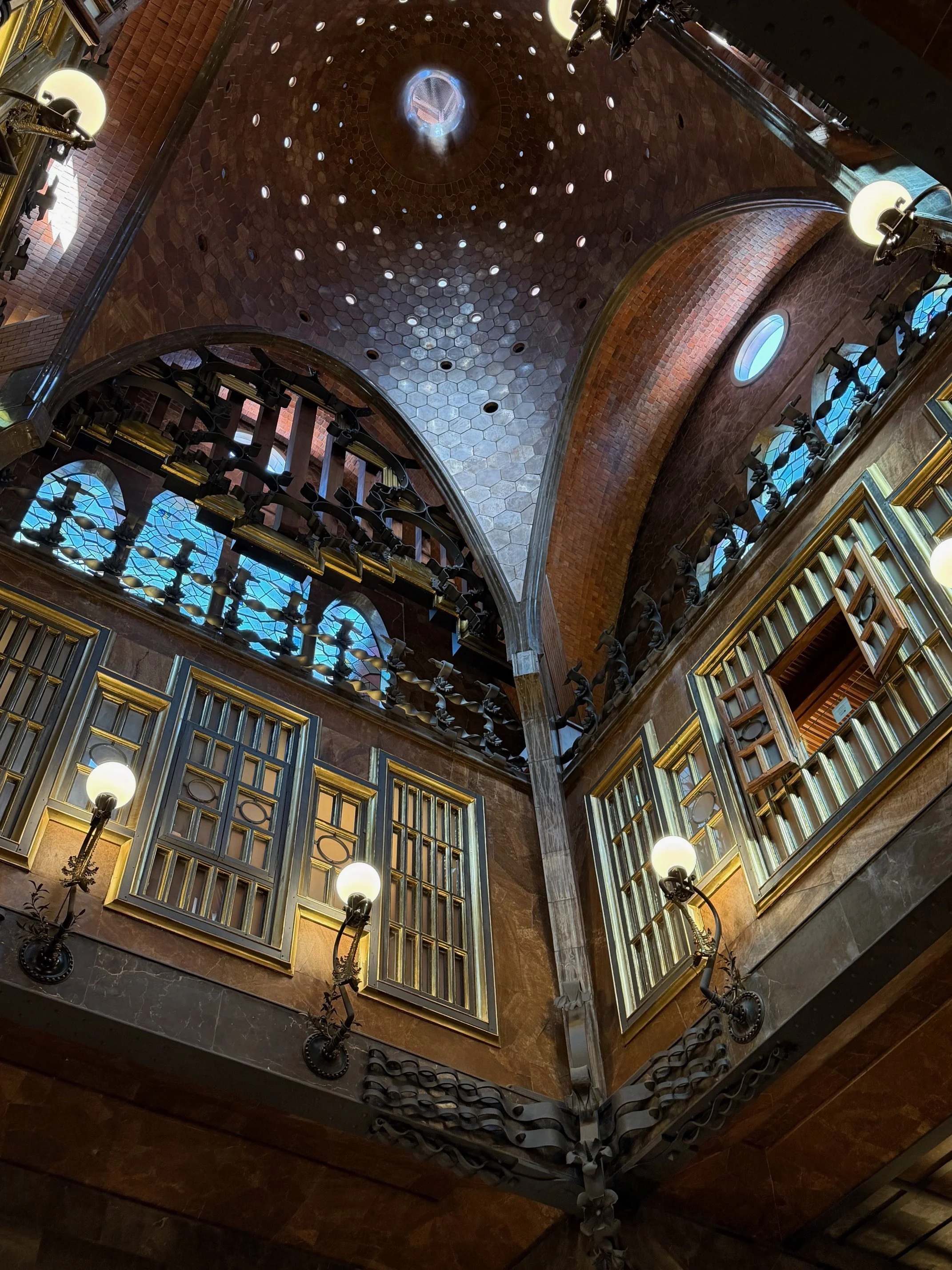
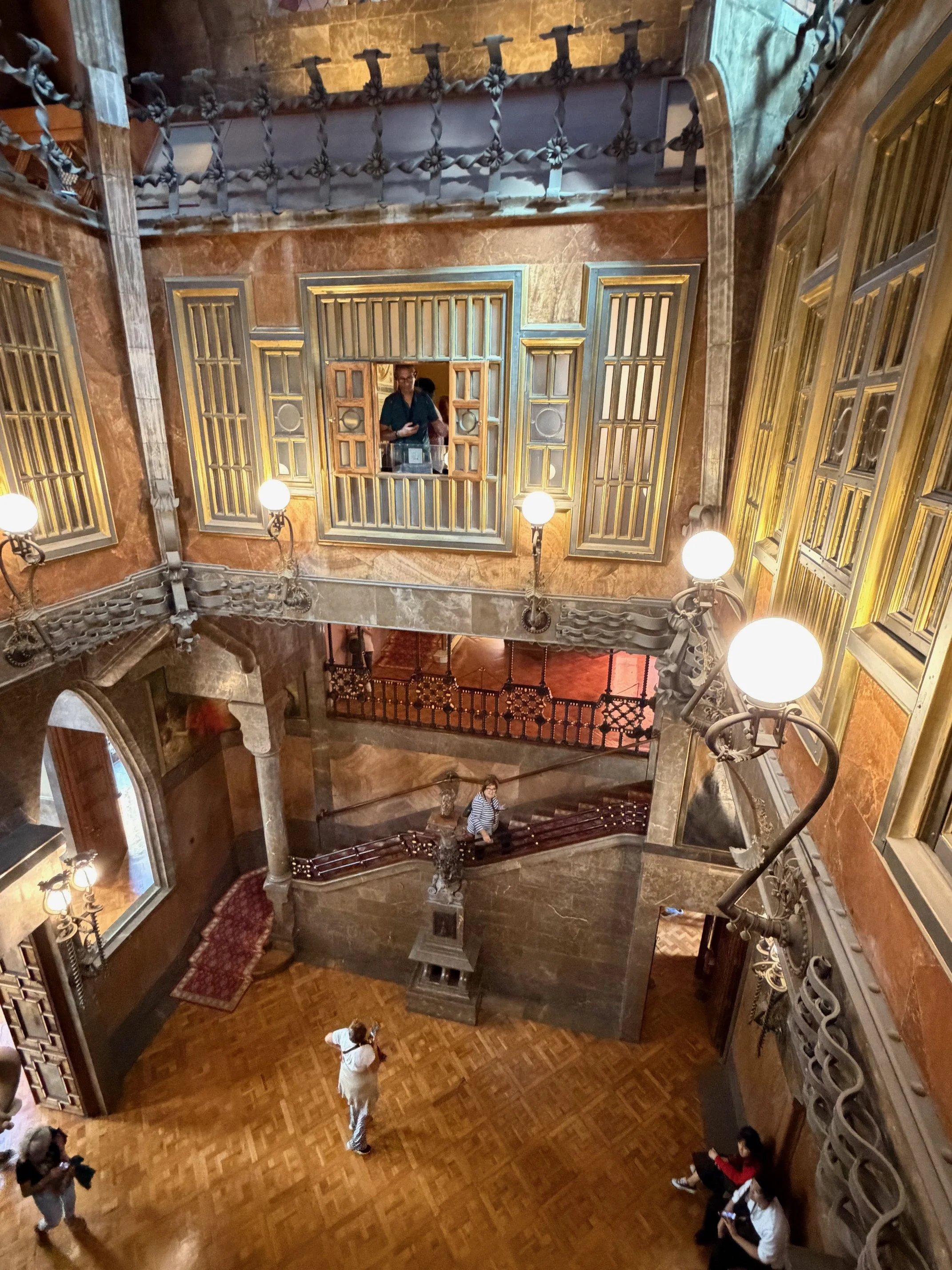
Palau Guell
Application to hospitality design:
Treat arrival not as a lobby drop-off, but as a sequence of emotional calibration
Use compression, shadow, and material transitions to slow perception
Design thresholds that signal: you are no longer where you were
This is not decoration. This is psychological and choreographed staging.
2. Light as Narrative, Not Illumination
Inside the Sagrada Família, light is not consistent, it is composed. Morning light enters cool and blue; afternoon light shifts to amber and gold. The space transforms throughout the day, not unlike a carefully programmed hospitality environment.
This is a critical lesson:
Luxury is not static perfection. It is temporal variation.
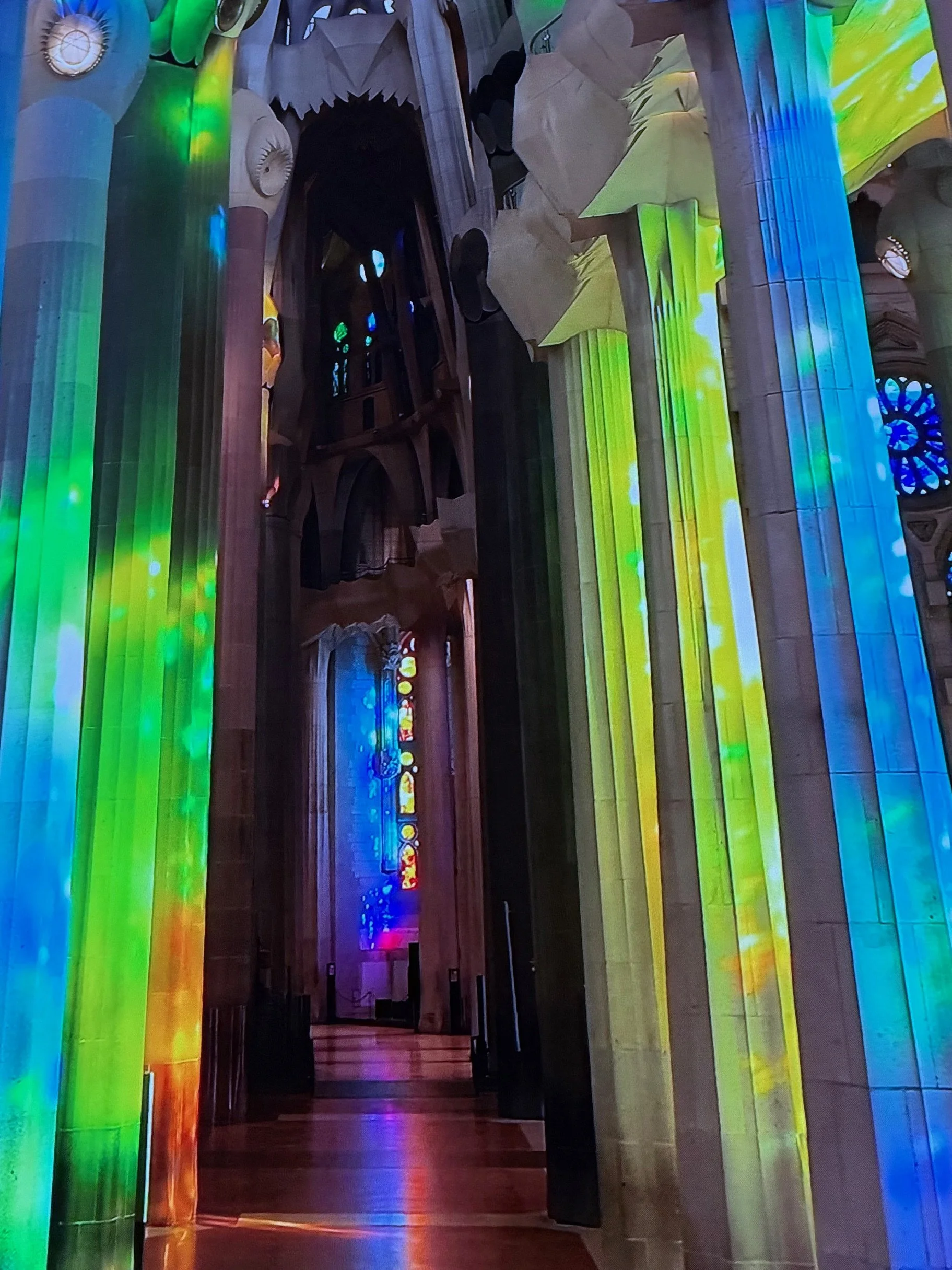
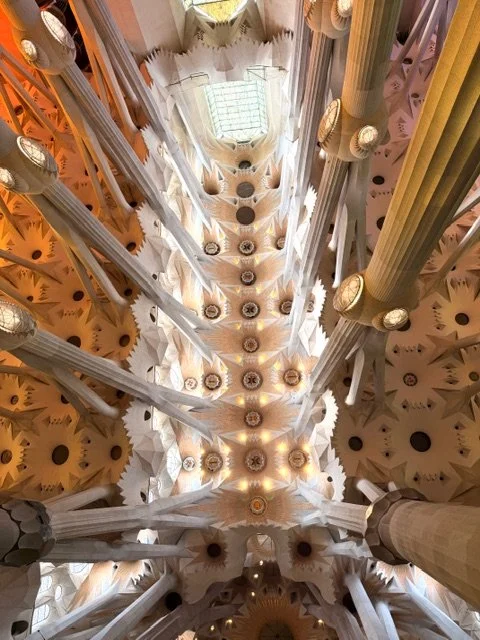
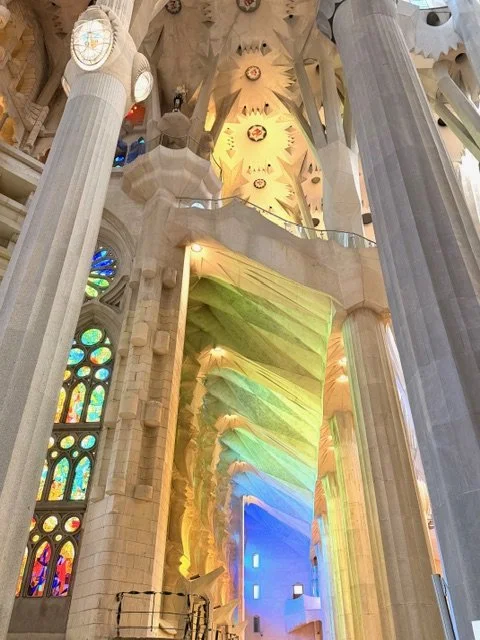
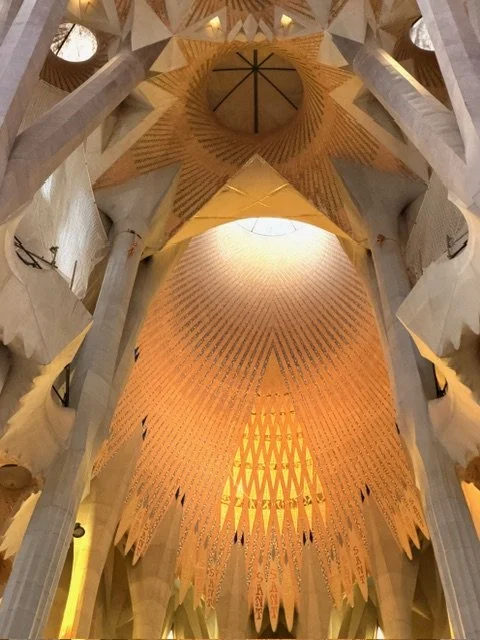
La Sagrada Familia, Barcelona
Gaudí anticipated what we now attempt through lighting control systems and circadian design. Yet he achieved it through geometry, orientation, and material.
Application to hospitality design:
Design interiors that evolve over time, not remain fixed
Use light gradients to guide movement and emotion
Allow natural light to become a storytelling device, not a constraint
Imagine a resort lobby that feels entirely different at sunrise, noon, and dusk - without changing a single piece of furniture.
3. Architecture as Landscape: The Dissolving of Boundaries
In Park Güell, architecture is not placed on the land, it becomes the land. Columns lean like trees, pathways follow topography, and surfaces ripple like geological formations.
This dissolution of boundaries is profoundly relevant to resort design, particularly in sensitive or iconic landscapes.
Application to hospitality design:
Move beyond “building + site” toward continuous spatial ecosystems
Use form and material to extend landscape into interior
Blur thresholds between inside and outside to create immersive continuity
Guests do not want to observe nature. They want to feel embedded within it.
4. Total Design: The Power of Cohesion
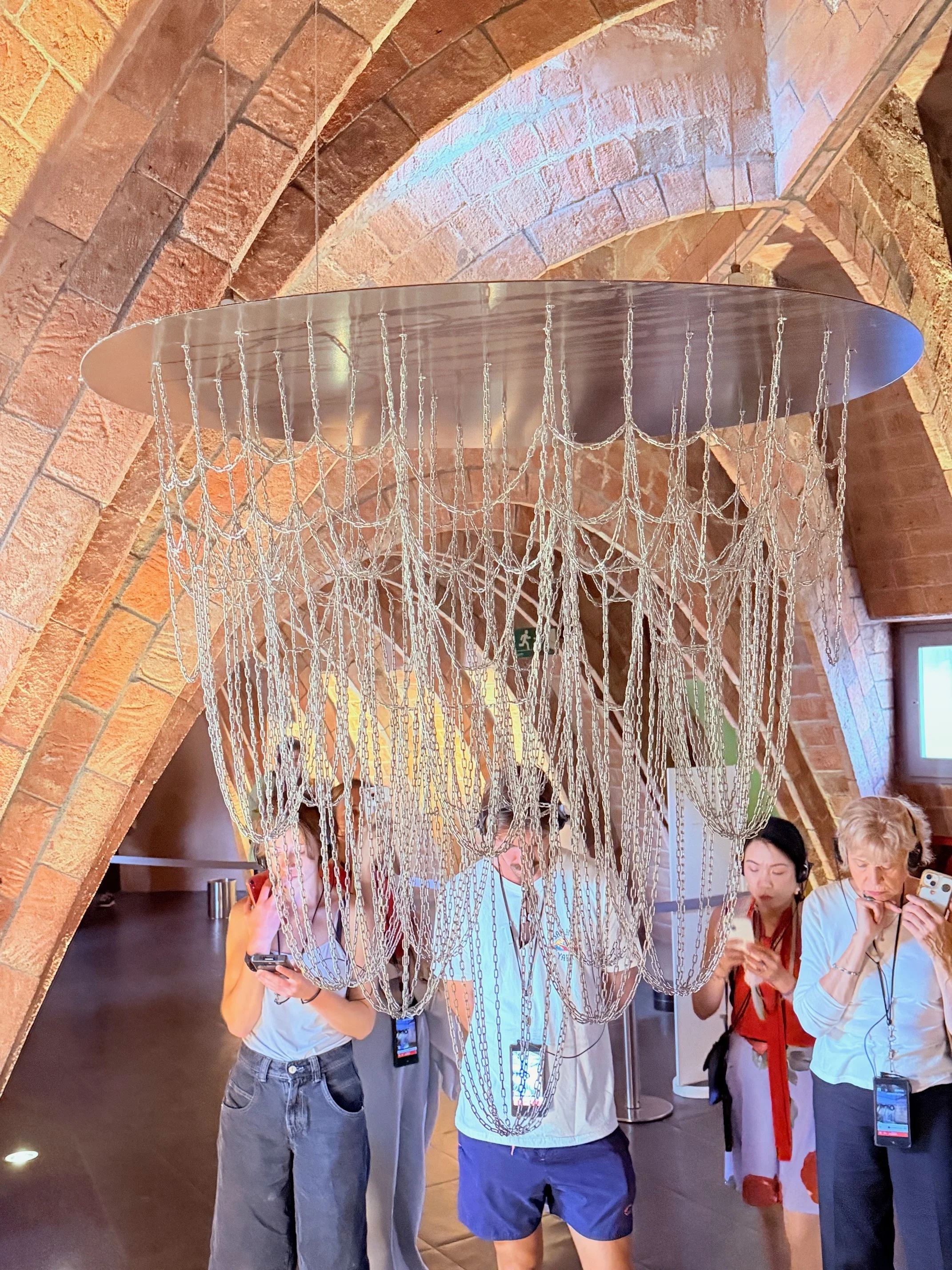
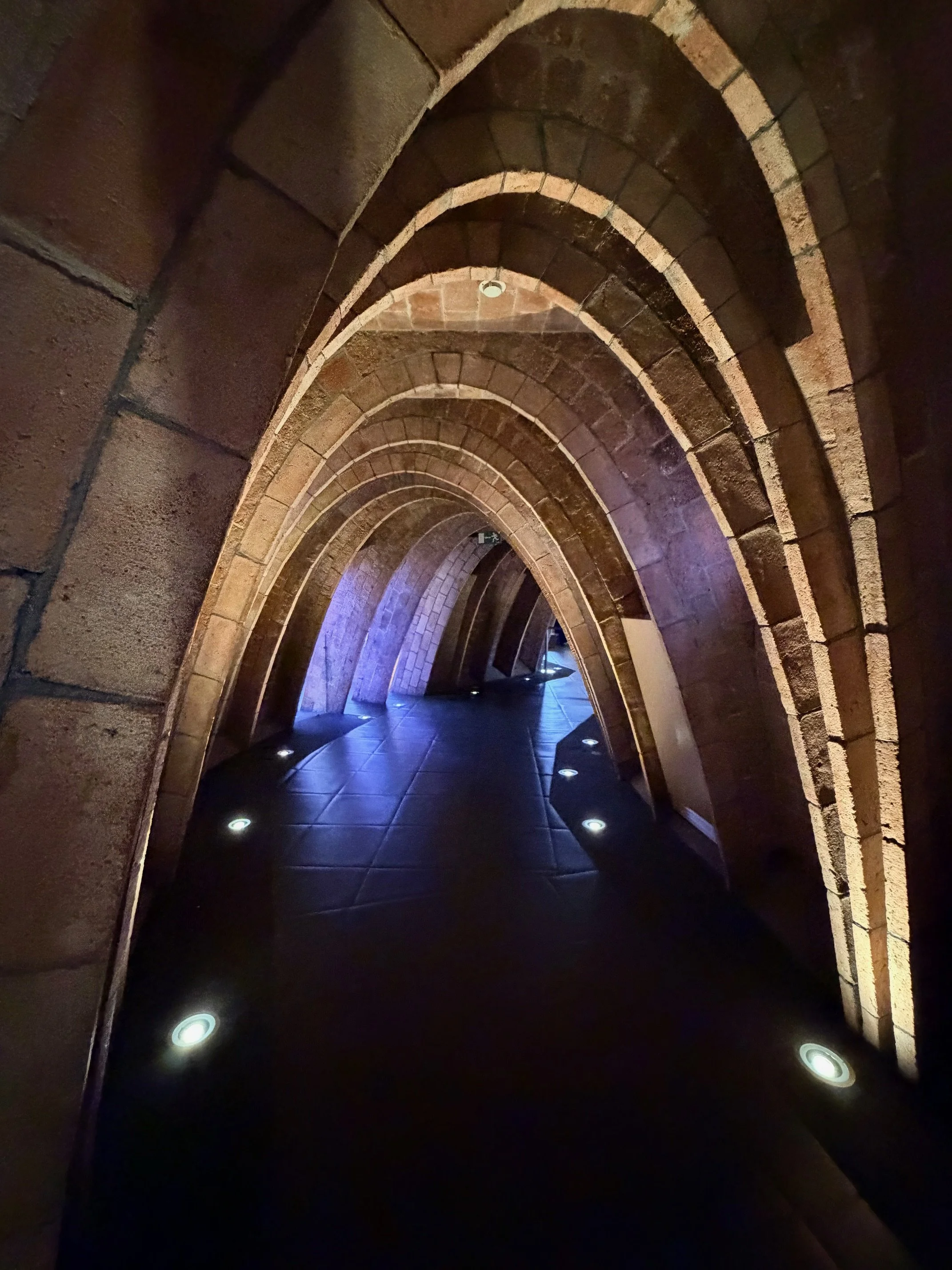
Gaudí designed everything: architecture, furniture, ironwork, tiles, even door handles. There is no fragmentation in his work.
Today, hospitality projects often fracture across disciplines:
architecture, interiors, branding, art curation: each operating in parallel.
Gaudí’s approach suggests something far more powerful:
A singular narrative expressed at every scale.
Application to hospitality design:
Align architecture, interiors, and storytelling under a unified conceptual spine
Ensure that every detail - from macro to micro - reinforces the same idea
Design tactile moments (handles, textures, transitions) as part of the guest memory
Guests do not remember floor plans.
They remember how things felt in their hands and with their eyes.
5. Craft as Luxury: The Human Imprint
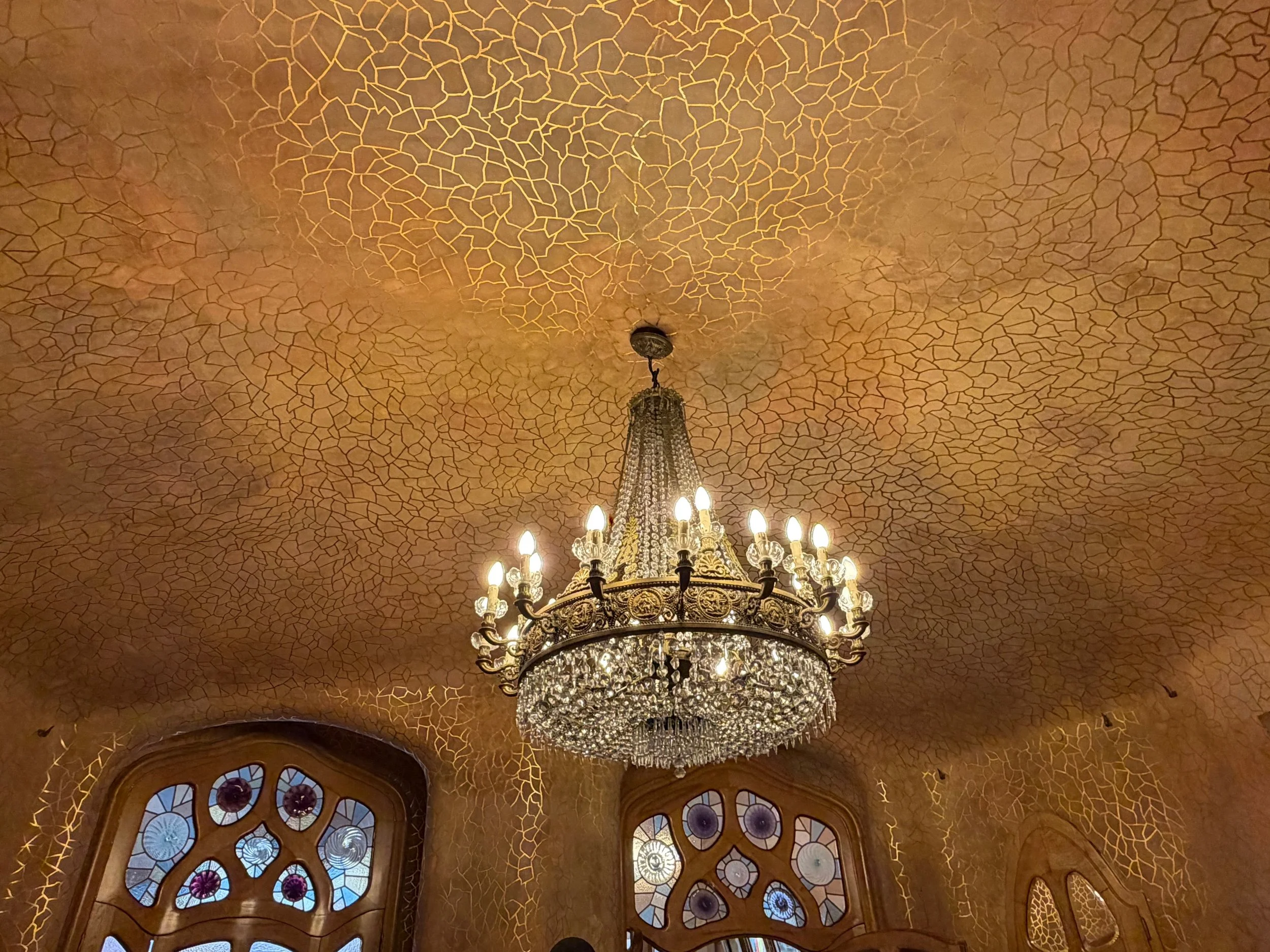
In this era, increasingly driven by prefabrication and digital replication, Gaudí’s work remains unmistakably human. Imperfect mosaics, hand-shaped stone, irregular geometries. These are not flaws; they are signatures.
For luxury hospitality, this raises a critical question:
Is perfection the enemy of memorability?
Application to hospitality design:
Integrate crafted, tactile, and slightly imperfect elements
Celebrate materials that age, patina, and evolve
Embed human touchpoints that contrast with technological precision
True luxury is not just seen. It is felt through imperfection.
Closing Reflection: Designing for the Senses, Not the Eye
Gaudí did not design for photographs.
He designed for immersion, long before Instagram, long before experiential branding.
For today’s hospitality designer, his work offers a provocation:
What if the success of a hotel was not measured by how it looks…
but by how deeply it transforms the guest?
In a world where many hotels compete on visual sameness, the future belongs to those who choreograph emotion, sequence, and sensory depth.
That to me is Gaudí’s enduring lesson.
And perhaps his most relevant one.